


-

Add: HeBei ShengShi HongBang Cellulose Technology CO.,LTD.
-

Email
13180486930@163.com -

CONTACT US
+86 13180486930
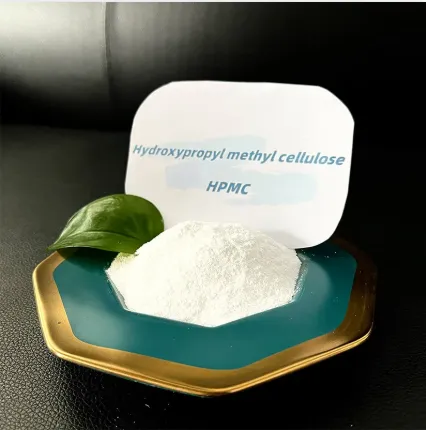
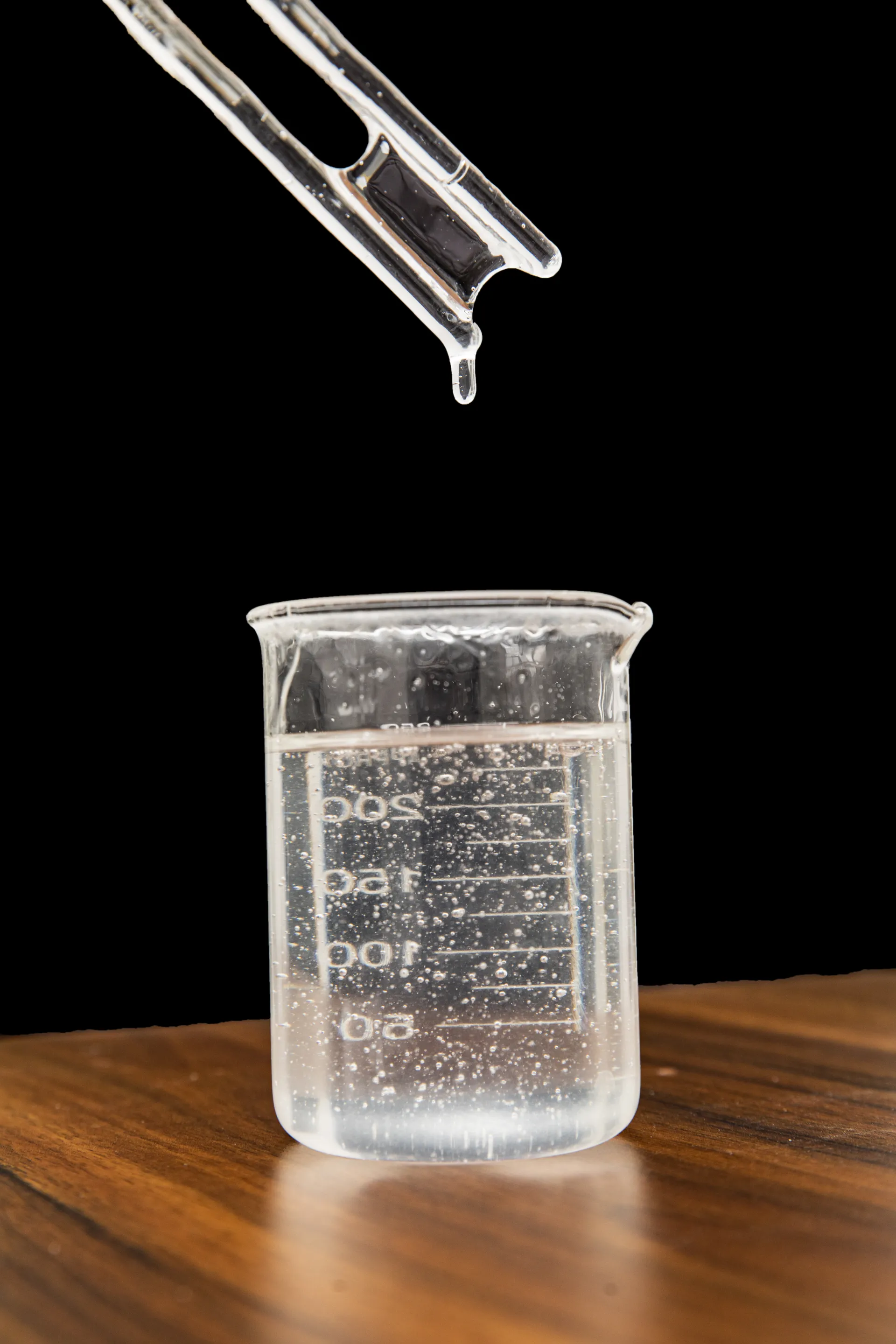


Methylcellulose is increasingly gaining attention in the realm of ophthalmic products due to its versatile applications and beneficial attributes. As a derivative of cellulose, this compound offers a plethora of uses in eye care, primarily as an active ingredient in artificial tears and lubricating eye drops. Those who frequently suffer from dry eyes or irritation will find methylcellulose-based solutions particularly effective, thanks to its proficient water-retaining and lubrication capabilities. When exploring methylcellulose eye solutions, one can trust that these products have undergone rigorous testing and evaluation, ensuring safety and efficacy. Optometrists and ophthalmologists often recommend it because of its unique ability to provide a soothing, protective layer over the ocular surface. This layer not only alleviates dryness and discomfort but also guards against minor irritants and allergens that can exacerbate symptoms. The expertise in the formulation of methylcellulose for ocular health cannot be understated. It functions as a viscoelastic agent—an attribute that allows for a consistent, gentle, and prolonged hydration effect, enhancing the moisture-retention of the eye. This property is particularly beneficial for individuals who are exposed to environmental stressors, such as prolonged exposure to computer screens or climatic conditions like dryness or wind, which can aggravate eye strain. In terms of authoritativeness, trusted eye care brands employ methylcellulose in their products due to its well-documented effectiveness and safety profile. Clinical studies support its use, demonstrating measurable improvements in the patient-reported outcomes linked to dry eye severity, frequency of symptoms, and overall ocular comfort. Many of these findings are peer-reviewed, lending credibility to the claims made about its benefits. methylcellulose eye Notably, one of the key attributes of methylcellulose is its compatibility with other medications and its mild nature, reducing the likelihood of adverse reactions. This quality makes it a reliable option for patients who may be using other ophthalmic medications or for those with sensitive eyes. Furthermore, methylcellulose is known for its sustained action . While many artificial tears merely mimic the eye's natural lubrication temporarily, methylcellulose solutions offer extended hydration by forming a protective film. This durability means reduced frequency of application throughout the day, making it both a cost-effective and convenient choice for chronic dry eye patients. The user experience of those using methylcellulose-based eye products is overwhelmingly positive, with reports of immediate relief from dryness and reduced irritation with continual use. Importantly, as technology and research in ophthalmology advance, formulations are constantly being improved upon, thereby enhancing the efficiency and comfort of methylcellulose products. In essence, methylcellulose represents a synthesis of science and relief, providing users with a trusted and clinically-proven solution for dry eyes. Its extensive use in the field of eye care, backed by robust professional endorsements and patient testimonials, underscores its prominence as a go-to remedy for those seeking dependable and sustained ocular hydration. For those looking to improve their eye comfort and overall vision health, methylcellulose eye solutions offer a credible and effective option.
- 40000tons

Production
- 20+years

Experience
- 5000+㎡

Acreage

-
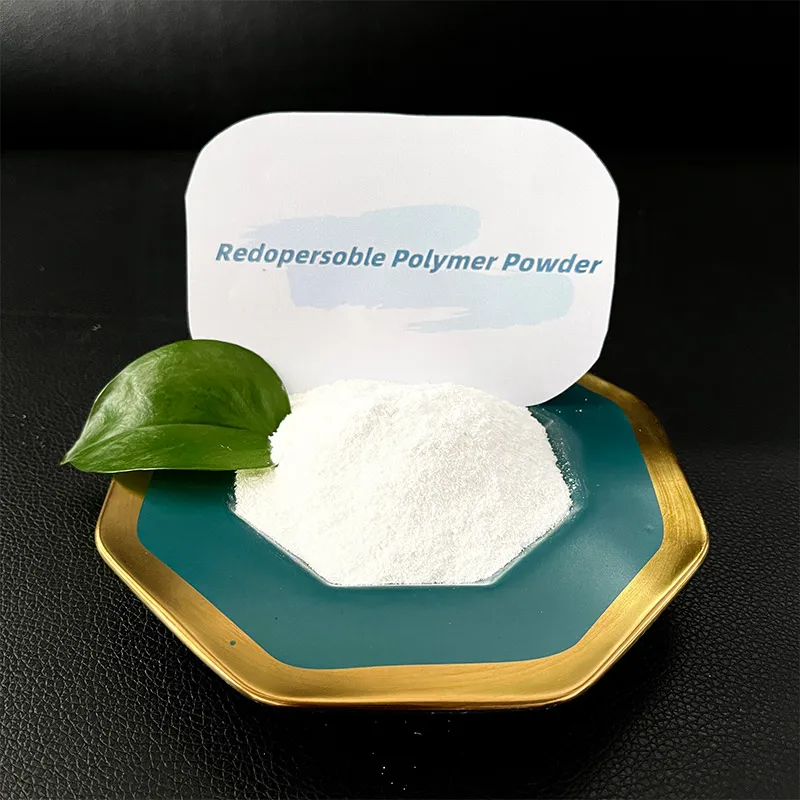
Long glass fiber reinforced polypropylene is revolutionizing the way industries approach manufacturing and engineering . As a material celebrated for its impressive blend of durability, light weight, and cost-effectiveness, it is rapidly becoming the preferred choice across multiple applications. This composite brings together the robust strength of glass fibers with the versatility of polypropylene, crafting a union that excels in providing much-needed structural support while remaining significantly lighter than metals or traditional composites. The secret to its strength lies in the integration of long glass fibers, which are uniformly distributed throughout the polypropylene matrix. This uniform dispersion ensures that the resulting material is immensely strong but not at the expense of adding excessive weight. From automotive to aerospace industries, this material exhibits an unparalleled ability to absorb impact and withstand stress. Engineers value its enhanced fatigue resistance, which is critical in components such as underbody shields, front ends, and bumpers, where safety and durability are paramount. Moreover, its resistance to chemicals and environmental factors extends its lifespan, reducing maintenance costs and downtime — a crucial advantage for industries looking to optimize operational efficiency. In addition to its structural benefits, long glass fiber reinforced polypropylene is a champion of sustainability. Its production involves fewer emissions compared to metal processing, and it is fully recyclable, aligning with growing environmental regulations and expectations for industries to adopt greener practices. Companies incorporating this material are actively contributing to a more sustainable future by minimizing their ecological footprint without compromising on performance. Industries benefit not just from the superior mechanical properties but also from the versatility in design. Because the material can be molded into complex shapes with relative ease, manufacturers find new freedoms to innovate, creating products with intricate geometries that would be challenging with conventional materials. This adaptability supports a broad spectrum of applications, from high-performance sporting goods to intricate housing components in the electronics sector. long glass fiber reinforced polypropylene Furthermore, the economic advantages of long glass fiber reinforced polypropylene cannot be overlooked. Its production and application are more cost-effective than many traditional materials, enabling businesses to achieve a balance between quality and expenditure. The streamlined manufacturing processes not only reduce waste but also enhance production speed, meeting the demands of fast-moving markets without sacrificing quality. Expert insights suggest that as industries push towards lightweighting — reducing weight to improve efficiency and performance — the relevance of such advanced composite materials will continue to expand. Specialists acknowledge that the ability to reduce weight without sacrificing strength is not merely beneficial; it is essential for advancements in technology and engineering. Authoritative voices within the materials science community assert that investing in understanding and implementing these composites can give companies a cutting-edge advantage. There is a consensus that as research evolves, the potential applications will broaden, bringing about breakthroughs that might once have seemed out of reach. For a credible incorporation of long glass fiber reinforced polypropylene, it is advisable for companies to partner with experienced material suppliers and engineers who are well-versed in the nuances of this composite. Trustworthy collaborations ensure the realization of the full potential of this remarkable material, enhancing product performance while fostering innovation. In conclusion, long glass fiber reinforced polypropylene is not just a material; it is a transformative tool that is setting new benchmarks in quality and sustainability. Its extensive applications, coupled with strong environmental credentials, make it an indispensable choice for forward-thinking industries. As global challenges mount, embracing such forward-looking solutions not only positions businesses to succeed today but also prepares them for the demands of tomorrow.
-
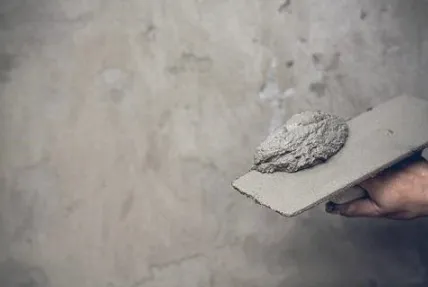
Powder coating rubber might sound like a niche or a novelty in the world of surface finishing, but it has grown to be an innovative solution embraced by experts seeking durability and aesthetic enhancement in rubber products. This process holds particular appeal in industries where the resilience and enhanced performance of rubber parts are crucial. Powder coating, originally used for metals, offers a finish that is both protective and decorative. When applied to rubber, a material known for its flexibility and resilience, the outcome is a unique blend of properties that elevates the function and look of the rubber product while broadening its application potential. Experience tells us that traditional liquid coatings on rubber often face issues related to adhesion and flexibility after curing. However, recent advancements in powder coating technology tailor powders specifically to bind effectively to the rubber substrate, ensuring a robust bond that withstands the flexing and stretching typical of rubber materials. This is achieved through careful surface preparation and the use of specialized primers where necessary, which help in increasing the adhesion properties of the powder to the elastomeric surface. From a professional perspective, the expertise required to powder coat rubber involves understanding both the material science of elastomers and the mechanics of powder coatings. Experts in the field appreciate the technical nuances involved in selecting the right powder composition including heat sensitivity and the ability of the rubber to withstand the curing temperatures often exceeding 300 degrees Fahrenheit. Powder coatings suitable for rubber generally cure at lower temperatures to prevent any degradation of the rubber properties. Applications of powder-coated rubber are expansive . For instance, industrial settings use coated rubber rollers to resist abrasion and chemicals, extending their lifespan significantly, which is an authoritative endorsement of this technique’s capability. Meanwhile, in the automotive sector, manufacturers have experimented with powder coating on rubber components to improve the aesthetics and provide a protective layer that prolongs the service life of critical parts under the hood. powder coating rubber A distinct advantage of powder coating rubber is its environmentally friendly nature compared to its liquid counterparts. This process eliminates solvents, reducing volatile organic compound (VOC) emissions, thereby aligning it with the modern need for green manufacturing processes. The industry’s move towards eco-friendly solutions has earmarked powder coating as a sustainable choice, boosting its credibility as a responsible manufacturing alternative. Additionally, powder-coated rubber offers a trusted solution in terms of wear resistance and lifespan extension. The uniform coating coverage enhances the rubber’s protective qualities, reducing maintenance costs and ensuring reliability over extended use. This not only results in cost savings but also increases the product's competitiveness in the market. For those exploring powder-coated rubber products, witnessing the transformation of a raw rubber substrate into a finished product with a high aesthetic appeal and superior performance can be an eye-opening experience, underscoring the powder coating process's sophistication and effectiveness. Trust in the powder coating process is bolstered by the consistent results delivered across diverse applications and environmental conditions. Robust testing protocols and compliance with industry standards ensure that powder-coated rubber products meet stringent quality benchmarks, further solidifying their place in a variety of industry settings globally. In conclusion, powder coating rubber is a transformative process that combines the essential properties of rubber with the advanced protection and aesthetic possibilities of powder coatings. Its development represents an intersection of experience, expertise, authority, and trustworthiness, offering a compelling narrative for industries committed to high-performance, sustainable solutions. As the technology evolves and becomes more refined, its role in product innovation is set to expand, enabling new horizons in design and functionality.
advantages
-

200000 Viscosities
Excellent product
We can produce pure products up to 200,000 viscosities
-

40000 tons
High yield
We don’t stop production all year round, and the annual output can reach 40,000 tons
-

24 hours
Quality service
We provide 24-hours online reception service, welcome to consult at any time
———— Inquiry Form
Schedule A services

-
 rubber_powder_price
Oct . 25, 2025
HPMC E464, auch bekannt als Hydroxypropylmethylcellulose, ist ein vielseitiges Produkt, das in versc -
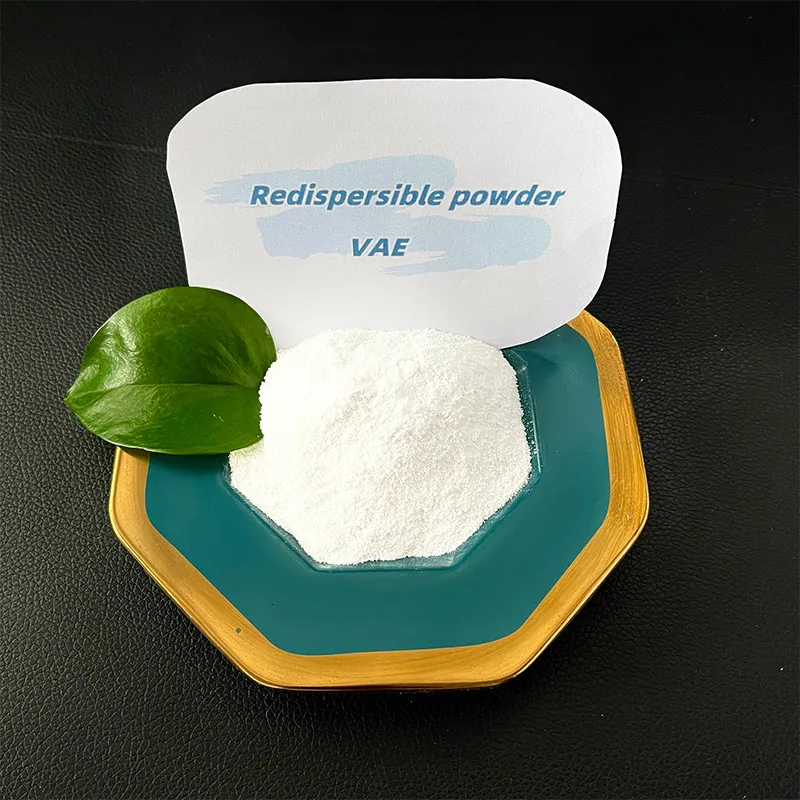
 vae
vaeOct . 25, 2025
In the rapidly advancing world of materials science, chemical material rubber powder emerges as a re -
 nylon_is_a_man_made
Oct . 25, 2025
Redispersible emulsion powder is a vital ingredient in modern construction materials, offering numer


